An Opportunity to Learn and Create
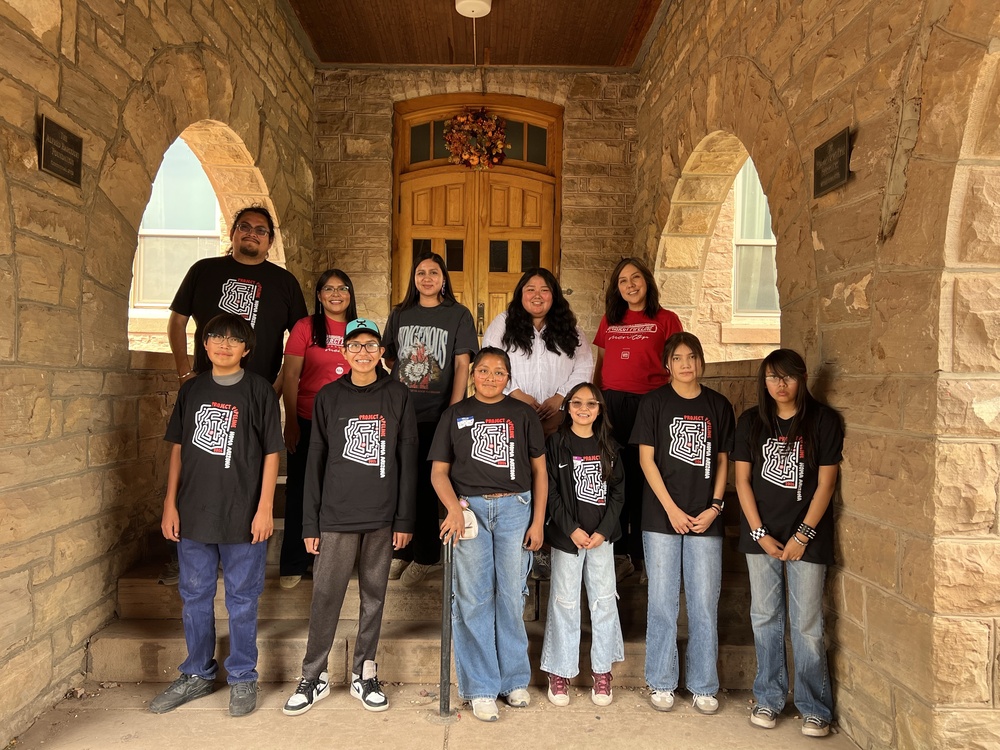
From June 11 to June 12, 2026, St. Michael Indian School hosted Project Pipeline, where students learned about architecture with mentors from the National Organization of Minority Architects (NOMA). This opportunity gave students a chance to experience something new and step outside of their usual classroom learning. Over the two days, students explored creativity, problem-solving, and teamwork while also learning about a potential future career path. As part of SMIS’s summer camp offerings, Project Pipeline reflects the school’s commitment to providing enriching opportunities that help students continue learning, creating, and exploring new interests beyond the regular school year.
The camp was designed to introduce students to architecture in a hands-on way, allowing them to learn by doing rather than just listening. Students were encouraged to think creatively, share ideas with one another, and build confidence in their abilities. By working closely with mentors, students were able to ask questions, gain new perspectives, and better understand how architecture connects to culture, community, and everyday life. The experience not only helped students learn new skills but also inspired them to think about their future and the different opportunities available to them.
Day One: Learning the Basics and Getting Hands-On
On Thursday, June 11, students started off the day with an activity called Exquisite Corpse. Each student received a paper folded into three sections. In the first round, everyone drew the first part of a picture, with many choosing to create a character or an animal. A timer was then set for three minutes, and when the time was up, students switched their papers to the right. The next person added onto the drawing in the second section, and then the papers were passed one more time to complete the final section. This activity encouraged creativity and collaboration among the students.
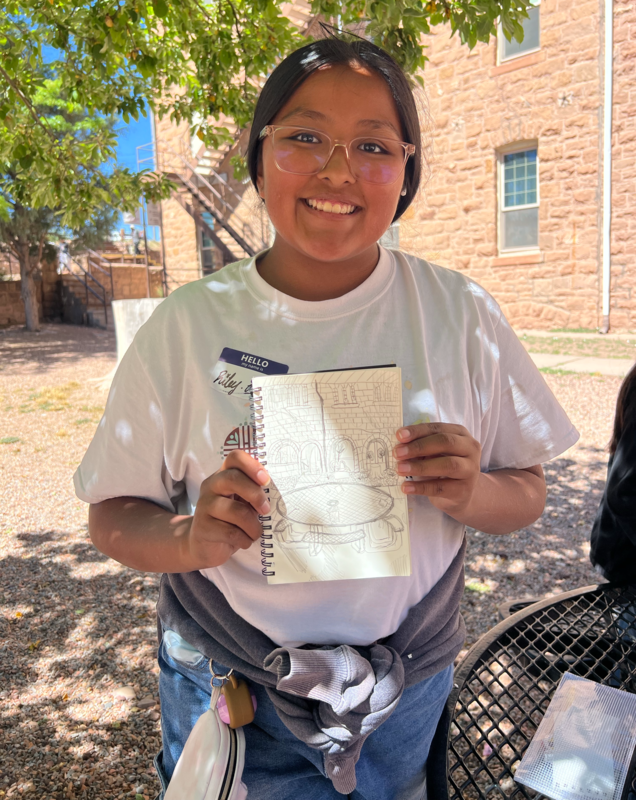
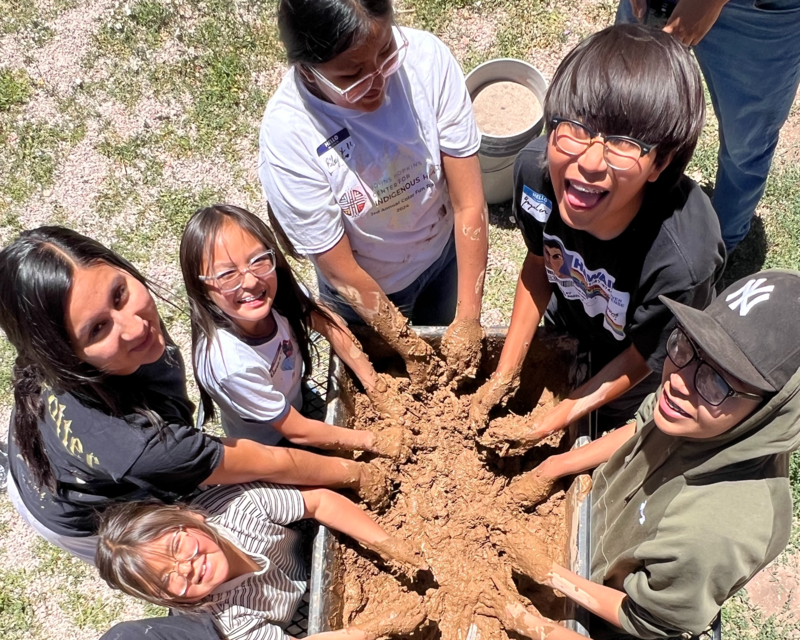
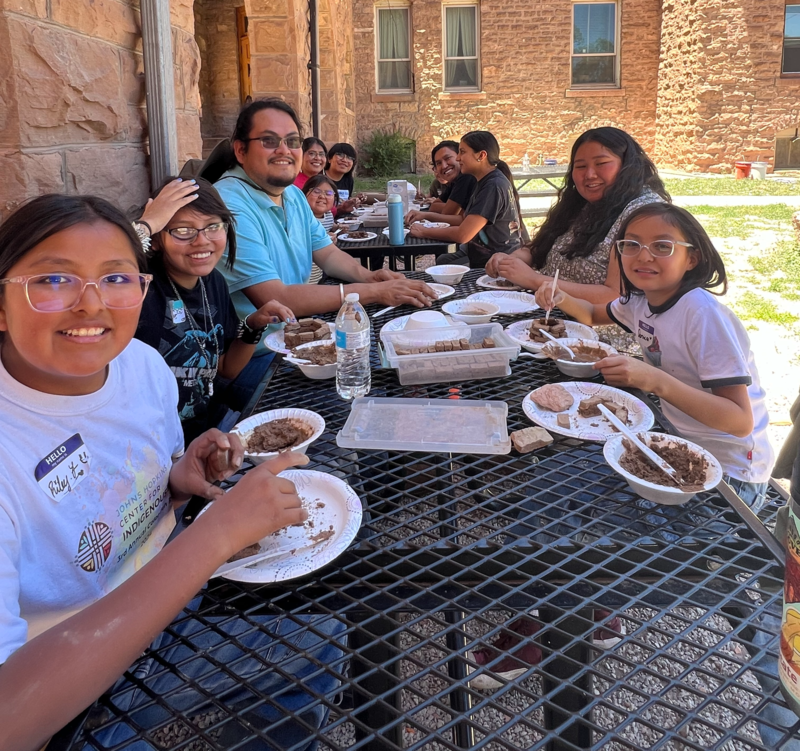
After the activity, students moved into an introduction to architecture, where they learned the fundamentals of the field. They then went outside and chose a part of the school to sketch, focusing on observing details and structure. Following lunch, students learned about Indigenous architecture and its cultural importance. They then went outside again to make adobe bricks. Students helped mix a clay mud mixture into a paste, which was used to form and hold small bricks together. After the demonstration, students had the chance to create their own small structures. They wrapped up the day with a lesson in perspective drawing, learning how to make their designs look more realistic and three-dimensional.
Day Two: Bringing Ideas to Life
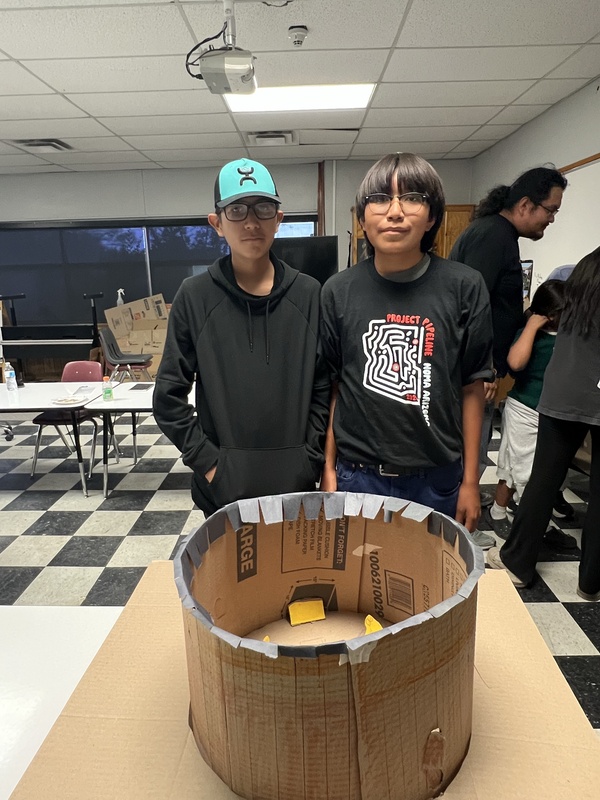
On day two of Project Pipeline, students touched on what they had learned the previous day and used those skills to begin creating their own architectural structures. Students were split into teams and started the process with a planning and design stage. During this time, students created vision boards using pictures from magazines and their own drawings, helping them organize their ideas and clearly visualize how they wanted their structure to look. This step helped students think more deeply about their design choices and how each idea would come together.
As they moved forward, students worked together to problem-solve and make decisions about their structures, learning how teamwork plays a big role in architecture. They then brought their vision boards to life by building their structures out of paper, boxes, and other materials. Students spent time carefully crafting each part of their project, making sure every detail reflected their original idea. Some students made adjustments along the way, showing flexibility and creativity as they improved their designs.
Once all the structures were completed, each team had the opportunity to present its work. Students shared their ideas, explained their design process, and showcased the effort they put into their projects. Presenting to peers, friends, and family helped build confidence and allowed students to take pride in what they had created.
Mentorship and Inspiration
This camp was made possible by St. Michael Indian School alumni Nicholl Hubbell, class of 2002, who is a designer associate at Shepley Bulfinch. Nicholl is part of the NOMA organization and helped establish the first partnership between NOMA and the Navajo Nation, hosting the camp at St. Michael Indian School in 2023. Now in the fourth year of hosting the camp at St. Michael's, NOMA has a mission that includes increasing the number of minority architects, and they created a curriculum geared toward 6th-, 7th-, and 8th-grade students. Nicholl understood the school's commitment to education and what it wants for each student. She also stated that it is important for students to be exposed to different career fields, such as architecture, and she wanted to bring that opportunity back to St. Michael.
Two of the mentors, Skye Gillson and Tierra Miller, expressed their excitement about volunteering with this camp. Both Skye and Tierra have been mentors for two years now. Mr. Gillson stated that he wanted to volunteer because he felt that “indigenous people are not represented in a lot of buildings,” and he hopes that students will take a second look at design and ask themselves: if they were the person designing the building, what would they change? He also hopes this experience encourages students to consider pursuing a career in design.
As for Ms. Miller, she stated that she wanted to volunteer to “inspire young Native minds about Architecture as a career option.” She also shared that it is especially meaningful to her, as a Native person, to be able to come back and work with the kids and the community.
Special Thanks
We want to extend a special thank you to NOMA for putting on this camp for our students, and to the mentors for coming out and helping with the program. Their dedication helped create a valuable and memorable experience for all involved.